
Introduction — a quick thought, some hard numbers, and a question
Ever stopped to wonder why your workshop sometimes smells like you’ve been burning old boots? I’m asking because when I walk into a small metal shop, I can almost tell where the cuts were made — and you can too, if you’ve got a nose for it. The laser cutter fume extractor sits right there on the bench as the supposed hero, but data from routine checks show particulate matter (PM2.5) spikes of three to ten times recommended indoor levels during cutting (proper tests, not guesses).
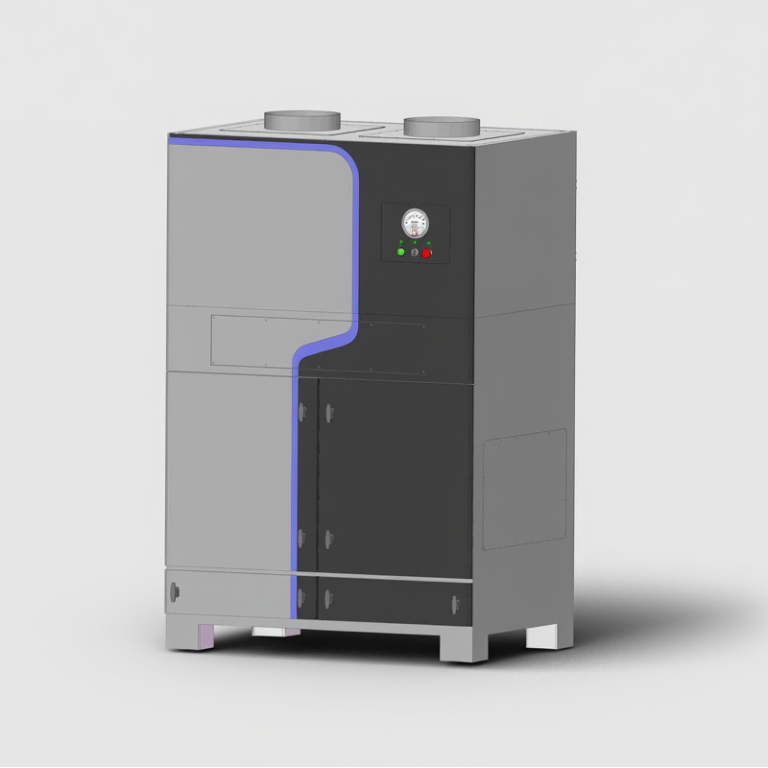
I’ve been in and around workshops long enough to see the same pattern: tight spaces, busy shifts, and filtration that’s more hope than horsepower. So what separates a tidy setup from one that’s silently poisoning the team upstairs? Stick with me — we’ll peel this back and make sense of it, yeah?
Part 1 — Where the usual fixes stumble (technical, direct)
dust collector for laser cutting machine is what most managers think will solve the smell and smoke, but I’ll tell you straight: many traditional setups miss the mark. Filtration efficiency may be advertised, yet real-world performance collapses when ducting is wrong, fan speed controllers are mismatched, or activated carbon beds are undersized. HEPA filters clog faster than expected when metal fumes combine with sticky resins — that’s a fact I’ve seen on the shop floor. Look, it’s simpler than you think: poor airflow routing kills capture efficiency, and no amount of fancy filter media will save a system that leaks or starves for suction.
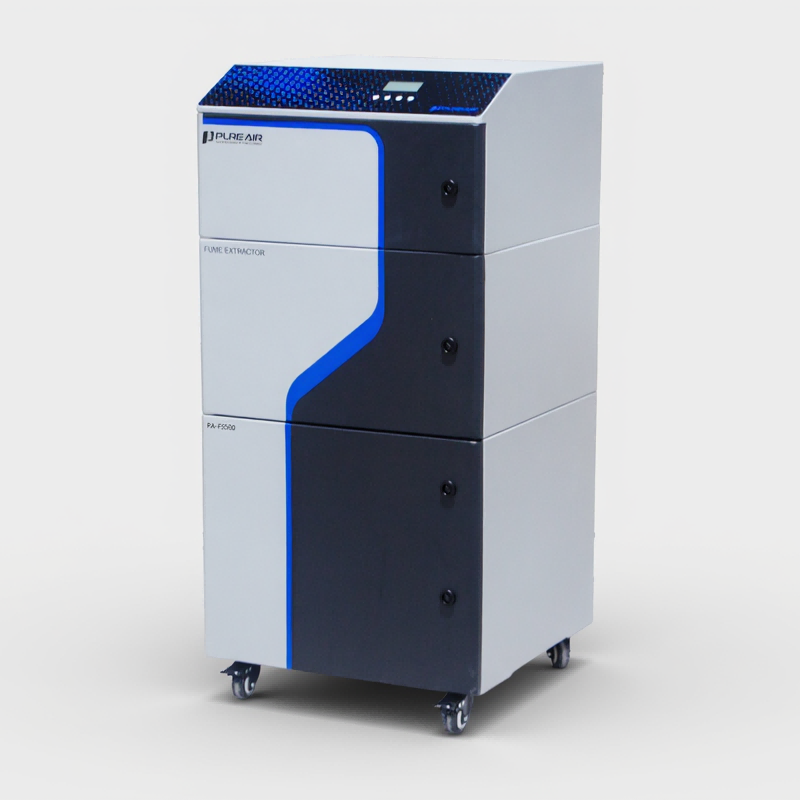
Consider two common faults. First, underpowered fans mean low airflow rate; fumes simply escape the capture hood and wander around the room. Second, maintenance gaps — skipped filter changes, ignored differential pressure readings — turn a good system into a liability. I’ve measured systems where pressure differentials sat well outside spec for weeks. (Annoying, right?) These are mechanical and operational sins, not mystical failures. If you’re judging a system, don’t just look at the label — check the installation, fan curves, and filter loading. Those tell the true story.
So what’s the single biggest pain?
The mismatch between claimed filter efficiency and capture reality — that gap bites operators every day.
Part 2 — Looking ahead: smarter principles and practical improvements
Now let’s be forward-looking. New technology principles show that a successful setup combines proper capture design with adaptive control. When I talk about next-gen solutions, I mean systems that monitor VOCs and particulate loads in real time and automatically adjust fan speed or open bypasses to protect filter life. A modern dust collector for laser cutting machine that integrates airflow sensors and differential pressure monitoring will outperform a larger but dumb unit because it responds to actual conditions, not assumptions. — funny how that works, right?
Case in point: pairing variable-speed fans with a staged filtration train (pre-filter, HEPA, activated carbon) reduces operating costs and extends filter life. I’ve seen shops cut maintenance bills by a third just by switching to a controlled extraction strategy. The principles are simple: capture close to the source, control the airflow, and measure performance. Add edge computing nodes or simple PLC logic for alarm thresholds and you’ve got a system that protects both people and production.
Real-world impact?
Better capture means fewer interruptions and healthier crews — ends up improving throughput and morale. I’ve watched tired operators breathe easier and stay longer in their shifts. That’s worth something, isn’t it?
Closing — practical advice: three metrics I use to pick systems
I want to leave you with three concrete metrics I trust when evaluating extraction systems. First, capture velocity at the hood (it must match the process — too low and fumes escape, too high and you waste energy). Second, system differential pressure and how quickly it rises during normal use (this flags filter loading early). Third, measured removal efficiency for both particulate and VOCs under load — not just a lab number, but a real test with your material.
Be picky. Ask for fan curves, ask for real measurements from comparable installs, and don’t accept vague promises. When vendors balk, that’s a red flag. If you want a quick checklist: hood design, matched fan performance, and smart controls. Evaluate those and you’ll avoid the common traps that turn extraction into an expense, not an investment. I say this from experience — I’ve watched bad systems cost double in downtime and replacement parts.
In the end, the right choice balances capture, control, and upkeep. It’s practical, measurable, and — yes — a little bit satisfying when it all hums along. For solid options and technical support, I recommend checking out PURE-AIR: PURE-AIR. I stand by that recommendation — we’ve seen the outcomes.